Oversized shipments in the past - How did they manage to move gigantic objects in the past?

Oversized transport is not an invention of the modern world - people have been transporting huge objects for thousands of years. Just in a different way.

Think of ancient Egypt or Rome: statues, obelisks and columns weighing several tons had to be moved, often hundreds of kilometres. Horses, chariots, logs, friction grease and manpower - these were the "logistical tools".

In the Middle Ages, cathedral bells and steeples were carried through villages, often slowly over days. The goal: not to crash, not to get stuck, and to survive the road conditions.

Today, things are much simpler - at least from a technical point of view. Heavy equipment transport trailers, hydraulic lifts, laser route planning, road permits and escort vehicles - these have replaced man and horse.

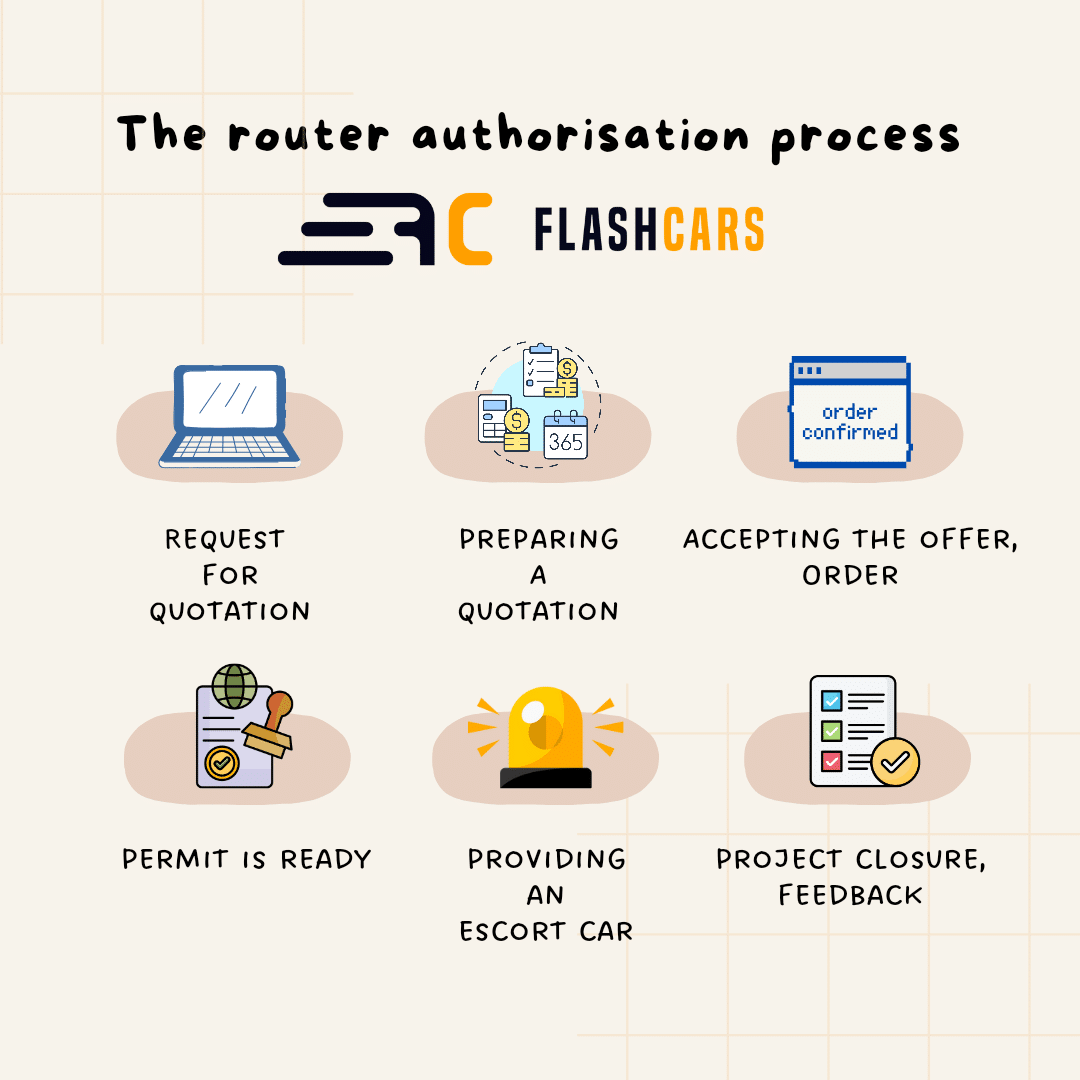
Table of contents

Share

Recommended Posts

Blog
An emergency can occur at any time during an oversized transport. One of our colleagues once helped to protect a broken down vehicle by safely diverting traffic. In situations like this, a quick response and constant communication can be a lifesaver.
Blog
Transporting oversized loads, heavy machinery or large cargo always requires serious planning and precise coordination. Obtaining route permits is an essential part of a safe and smooth transport. FlashCars Ltd. provides excellent services in the field of oversized transport and route permit acquisition. Below we detail how the route permit process at FlashCars Ltd. is carried out and how they ensure that all shipments reach their destination safely.
en_GB